



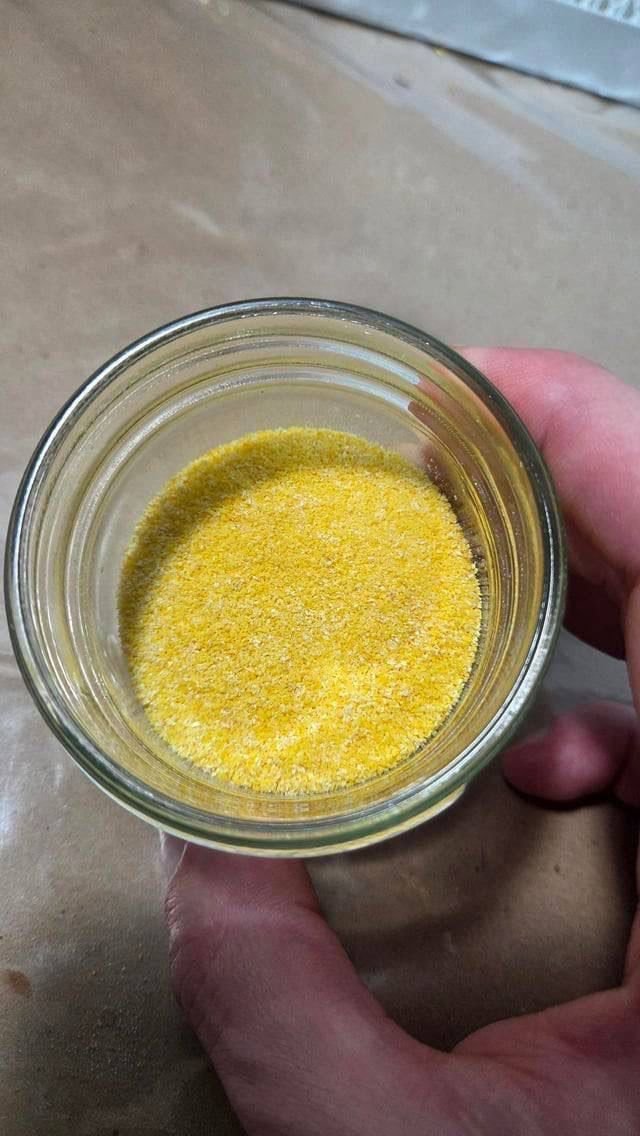

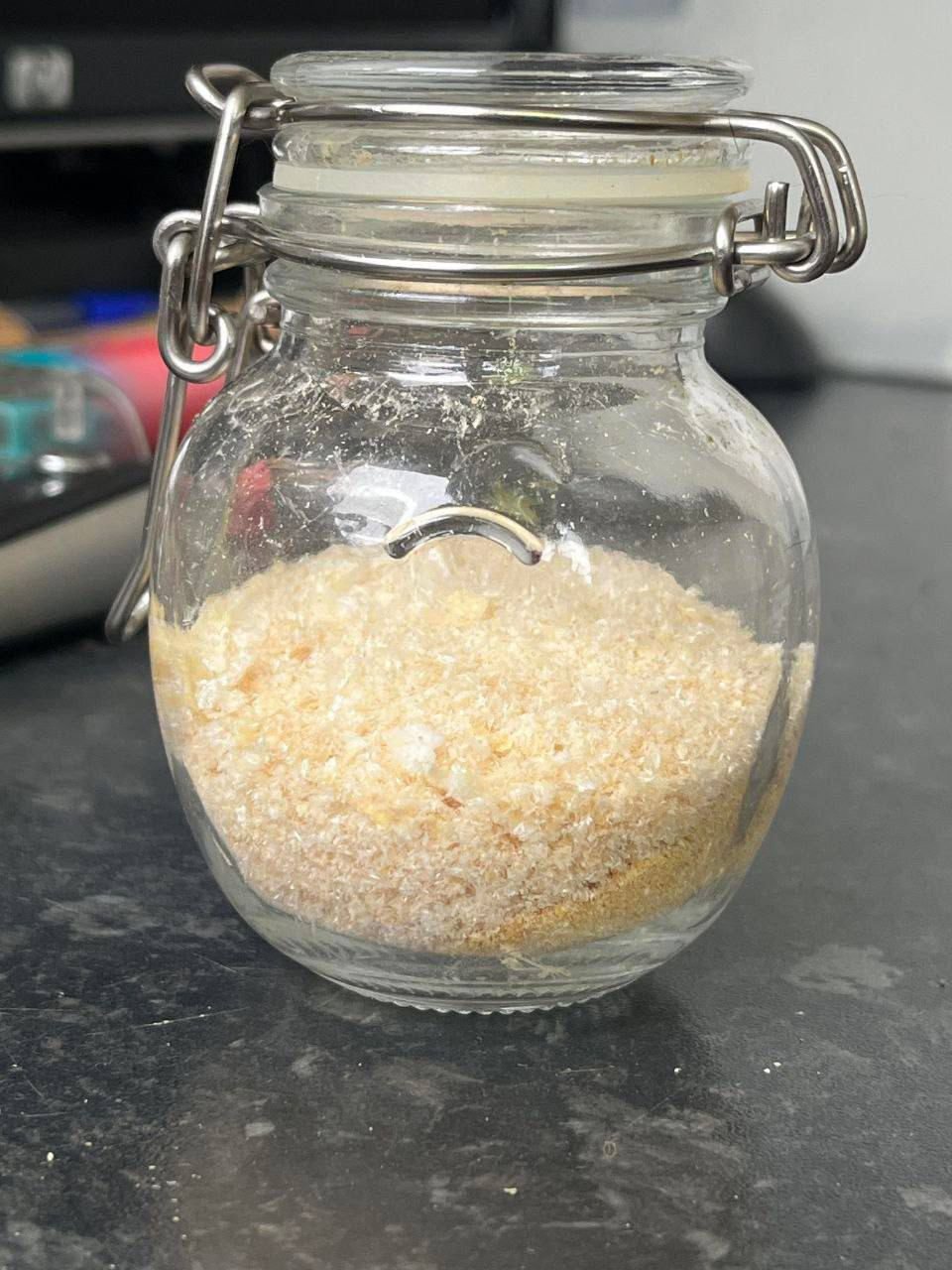


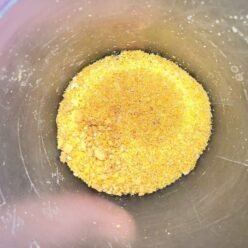
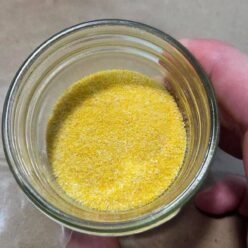


Price range: $105.00 through $5,450.00
DMT is a potent psychedelic producing rapid, intense visual and emotional shifts. Although traditionally used in spiritual contexts, it remains illegal; therefore, understanding risks and safe, informed education is essential
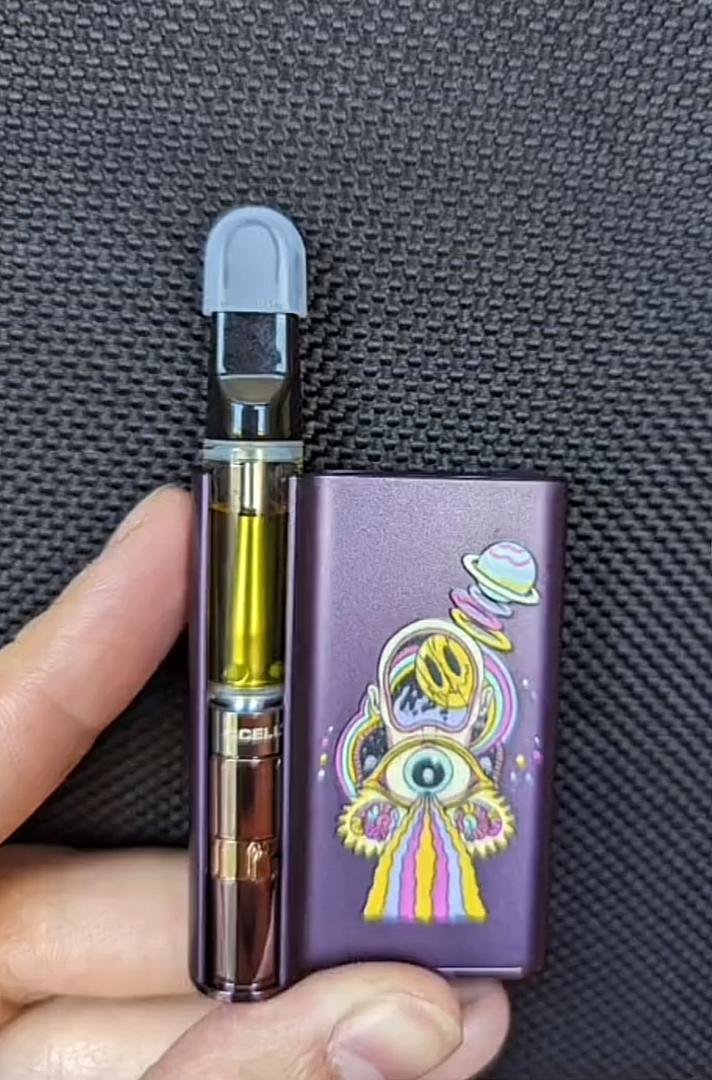
DMT Carts : An Educational, Harm-Reduction Overview of a Powerful Psychedelic
Introduction: Understanding One of the Most Intense Psychedelics Known
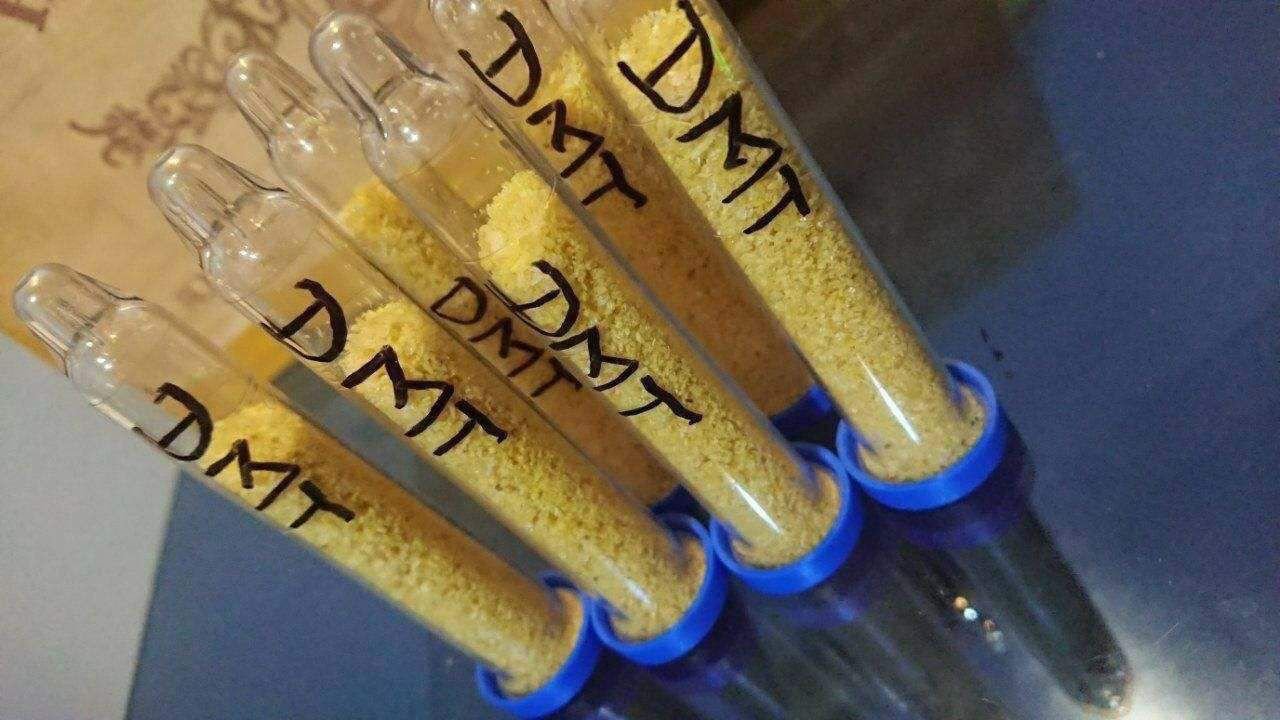
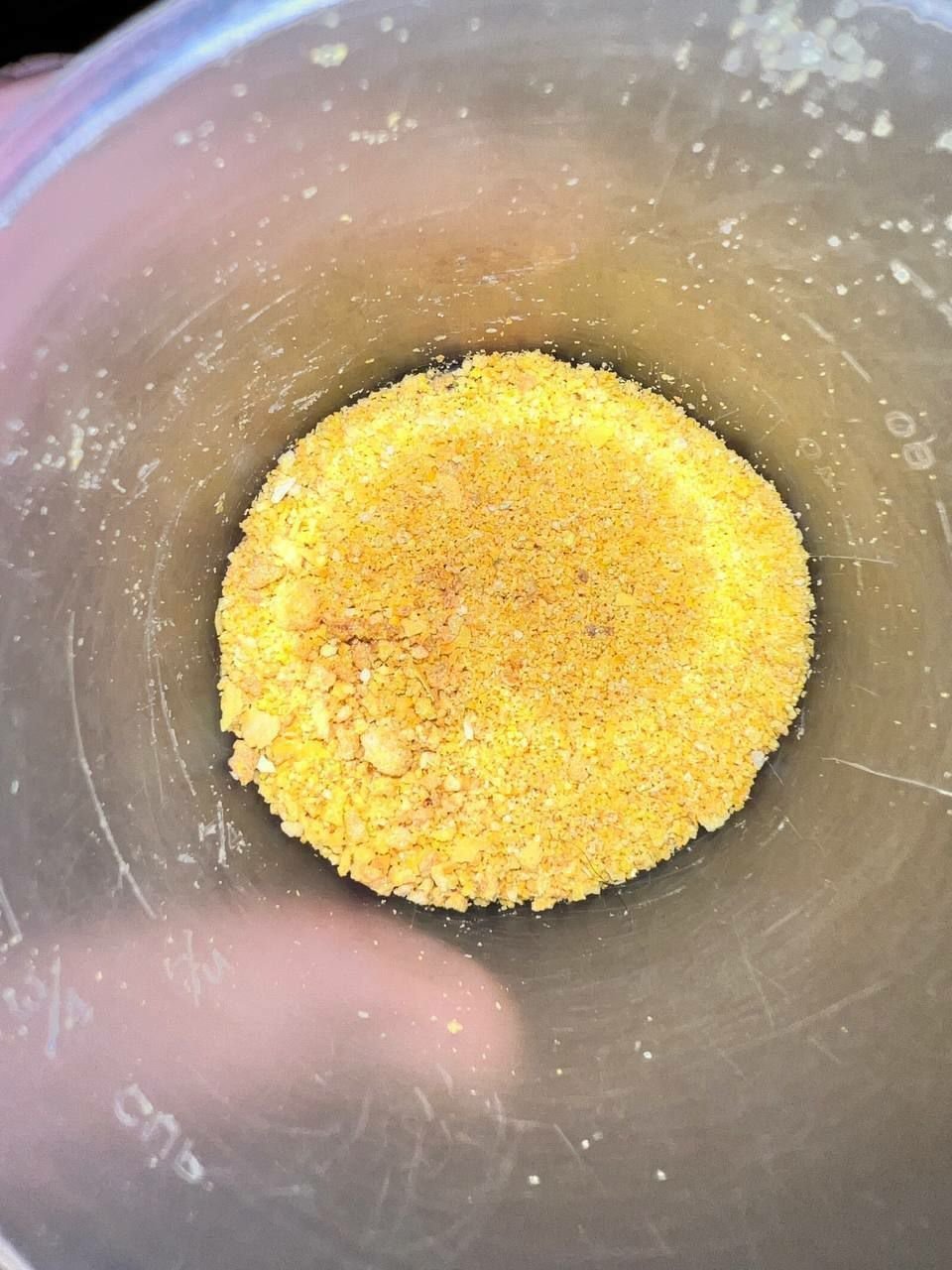
DMT Carts N,N-Dimethyltryptamine, widely known as DMT, is a naturally occurring psychedelic compound found in certain plants, animals, and even small amounts in the human body. Because it produces vivid hallucinations, rapid onset, and deeply altered states of consciousness, it has drawn significant attention from researchers, historians, and individuals exploring human spirituality. Although DMT remains illegal in many regions, learning about it from an educational perspective is extremely important. Moreover, responsible information helps reduce risk and encourages safer decision-making for anyone who may encounter the substance.
This article focuses entirely on education and harm reduction, not promotion or sales. By explaining how DMT works, why it holds cultural significance, and what risks are associated with it, readers gain a balanced, research-based understanding of one of the most intense psychedelic compounds ever studied.
What Exactly Is DMT?
DMT belongs to the tryptamine family, which includes compounds such as psilocybin and serotonin. Because its molecular structure resembles naturally occurring neurotransmitters, it interacts with serotonin receptors in the brain, especially 5-HT2A. Although the responses vary widely, users often report profound visual, emotional, and sensory shifts.
Additionally, is unique in its rapid onset and short duration. When vaporized or smoked, the effects may appear within seconds and last from 5 to 20 minutes. When consumed in the form of ayahuasca—a traditional Amazonian brew—the experience can last several hours because another botanical component slows breakdown.
Even though its timeline is brief, the intensity is often described as overwhelming. Therefore, understanding its mechanisms is crucial for anyone studying psychedelic science.
Historical and Cultural Background
DMT-rich plants have a long history across various regions. For example, indigenous cultures in the Amazon have used ayahuasca for centuries as part of spiritual and healing ceremonies. Because these traditions involve complex social, religious, and ritual frameworks, they extend beyond simple psychoactive use. Moreover, trained practitioners called ayahuasqueros or curanderos guide participants through structured rituals.
In contrast, synthetic entered Western awareness during the mid-20th century as pharmaceutical scientists began isolating and studying psychedelic molecules. Although early research paused due to legal restrictions and cultural pressures, interest resurfaced as modern science explored consciousness, mental health therapies, and alternative pharmacological pathways.
How DMT Works in the Brain
Researchers continue to study how DMT affects neurological function. Even though many aspects remain unclear, several mechanisms appear consistently across scientific literature:
1. Serotonin Receptor Interaction
DMT binds primarily to 5-HT2A receptors, which regulate perception and cognition. As a result, sensory input becomes distorted, and the brain processes information differently.
2. Disruption of Default Mode Network (DMN)
The DMN governs self-referential thinking. Because disrupts this network, users often feel ego dissolution or detachment from identity.
3. Activation of Visual Cortex
Reports of intense geometric imagery may correspond to increased visual cortex activity. Additionally, cross-communication between brain regions appears to increase during experience.
4. Altered Time Perception
Time distortion is one of the most commonly reported effects. Moments may feel compressed, elongated, or dissolved entirely.
Although these explanations offer insight, more research is needed to fully understand long-term implications, risks, and individual variability.
Forms of DMT and Their Differences
DMT appears in several forms, each associated with different methods of ingestion. The most common include:
1. Freebase DMT (Vaporized or Smoked)
This form produces an extremely rapid onset. Because the experience becomes overwhelming within seconds, proper context and safety considerations are essential.
2. Ayahuasca (Oral Brew)
Ayahuasca combines DMT-containing plants with MAOI-containing vines such as Banisteriopsis caapi. The MAOIs slow DMT’s breakdown, which results in a much longer experience. Furthermore, the brew often includes ritual elements that shape emotional responses.
3. Synthetic DMT
Produced in laboratories, this form is used by researchers studying psychedelic mechanisms. Even though regulations remain strict, scientific exploration continues to expand.
Each form carries significant legal considerations, which vary by region. Consequently, understanding local laws is crucial.
Legal Status Around the World
DMT is classified as a Schedule I or equivalent controlled substance in many countries, including the United States, United Kingdom, Australia, and most of Europe. This category indicates substances with high misuse potential and no recognized medical application under those jurisdictions. Additionally, possession, distribution, or production can carry severe penalties.
However, certain traditional or religious uses—particularly ayahuasca—have limited exceptions in some countries when connected to recognized cultural ceremonies. These exceptions are tightly regulated. Moreover, travelers should exercise caution, because international laws differ sharply.
Potential Effects of DMT
The effects vary widely based on dose, mindset, environment, and method of consumption. Although every experience is unique, common effects include:
Psychological Effects
-
Intense visual hallucinations
-
Rapid thought patterns
-
Emotional fluctuations
-
Perceived contact with entities or abstract beings
-
Altered sense of identity
Physical Effects
-
Increased heart rate
-
Dilated pupils
-
Changes in breathing patterns
-
Body temperature fluctuations
-
Nausea (especially with ayahuasca)
Although some individuals describe mystical or insightful experiences, others find the intensity frightening or destabilizing. Consequently, emotional preparation is considered a significant harm reduction factor.
Risks and Harm Reduction Principles
Even though some people view DMT as spiritually meaningful, it carries real risks, especially without proper education. Harm reduction focuses on minimizing negative outcomes, not endorsing use.
1. Psychological Vulnerability
People with personal or family histories of psychosis, schizophrenia, or bipolar disorder face elevated risk. Because DMT can produce overwhelming sensory distortion, underlying conditions may worsen.
2. Mental Overload
The rapid onset can cause panic, confusion, or fear. Therefore, an unprepared individual may experience psychological distress.
3. Dangerous Environments
Physical accidents can occur if someone uses DMT without a safe setting. As a result, harm reduction emphasizes calm surroundings and supportive company.
4. MAOI Interactions in Ayahuasca
MAOIs interact dangerously with many medications and foods. Consequently, people consuming ayahuasca face additional medical risks.
5. Impure or Misrepresented Substances
Unregulated products may contain contaminants. Although testing services exist in some regions, availability varies.
Harm Reduction Guidelines (Educational Only)
-
Avoid combining DMT with other substances
-
Have a calm, sober sitter present
-
Check mental health history
-
Prepare emotionally
-
Avoid high-risk environments
-
Know local laws
-
Research dosage carefully
-
Consider testing for purity where legal
These points aim strictly to reduce potential harms, not encourage use.
Why Some Researchers Study
In recent years, scientific interest in DMT has expanded. Although research remains early, several areas appear particularly promising:
1. Consciousness Exploration
DMT’s ability to produce intense perception shifts makes it a valuable compound for understanding consciousness.
2. Mental Health Studies
Early trials suggest psychedelics may support treatment-resistant conditions. However, these studies occur under strict medical supervision, and results are not conclusive.
3. Neurological Mapping
DMT helps researchers examine how brain networks reorganize during altered states. Additionally, neuroimaging tools make such studies increasingly precise.
Even though progress is ongoing, none of these findings support casual or unregulated use. Instead, they underline DMT’s potential scientific relevance.
Integration and After-Effects
Many individuals focus on integrating insights after a psychedelic experience. Because DMT can produce overwhelming visuals and emotions, integration involves organizing feelings and reflecting on meaning. For example, people may journal, meditate, or speak with mental health professionals who understand psychedelic experiences.
Although after-effects differ, some people feel clarity or calm, while others may experience confusion or emotional fatigue. Therefore, post-experience care becomes an important aspect of harm reduction.
Conclusion: Knowledge, Safety, and Responsible Understanding
DMT remains one of the most powerful psychedelic compounds ever documented. Its rapid onset, intense visuals, and deep emotional effects make it both culturally fascinating and scientifically significant. Moreover, its long history in spiritual traditions and its growing presence in scientific studies show how complex the compound truly is.
However, because DMT is illegal in many regions and carries clear psychological and physical risks, education is the safest and most responsible approach. By understanding its effects, legal status, traditions, and harm-reduction principles, individuals gain the tools needed to make safer, informed, and thoughtful decisions. Even though the substance continues to inspire curiosity, responsible knowledge remains the most important priority.
| Cartridge And Prices | 1gram cartridge, 2gram cartridge, 3gram cartridge, 4gram cartridge, 8gram cartridge, 15gram cartridge, 20gram cartridge, 30gram cartridge, 50gram cartridge |
|---|
Related products

Oxycontin

Oxycontin
Oxycontin

Oxycontin
Oxycontin

Oxycontin
Oxycontin

Oxycontin