


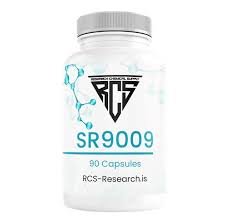
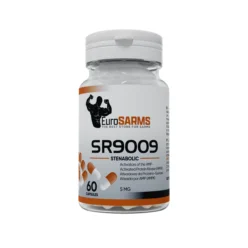
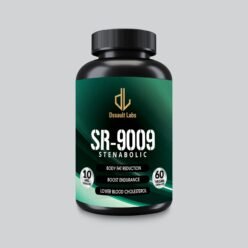

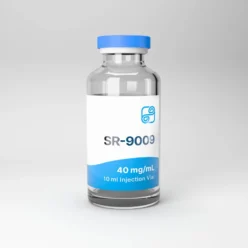
Original price was: $250.00.$248.00Current price is: $248.00.
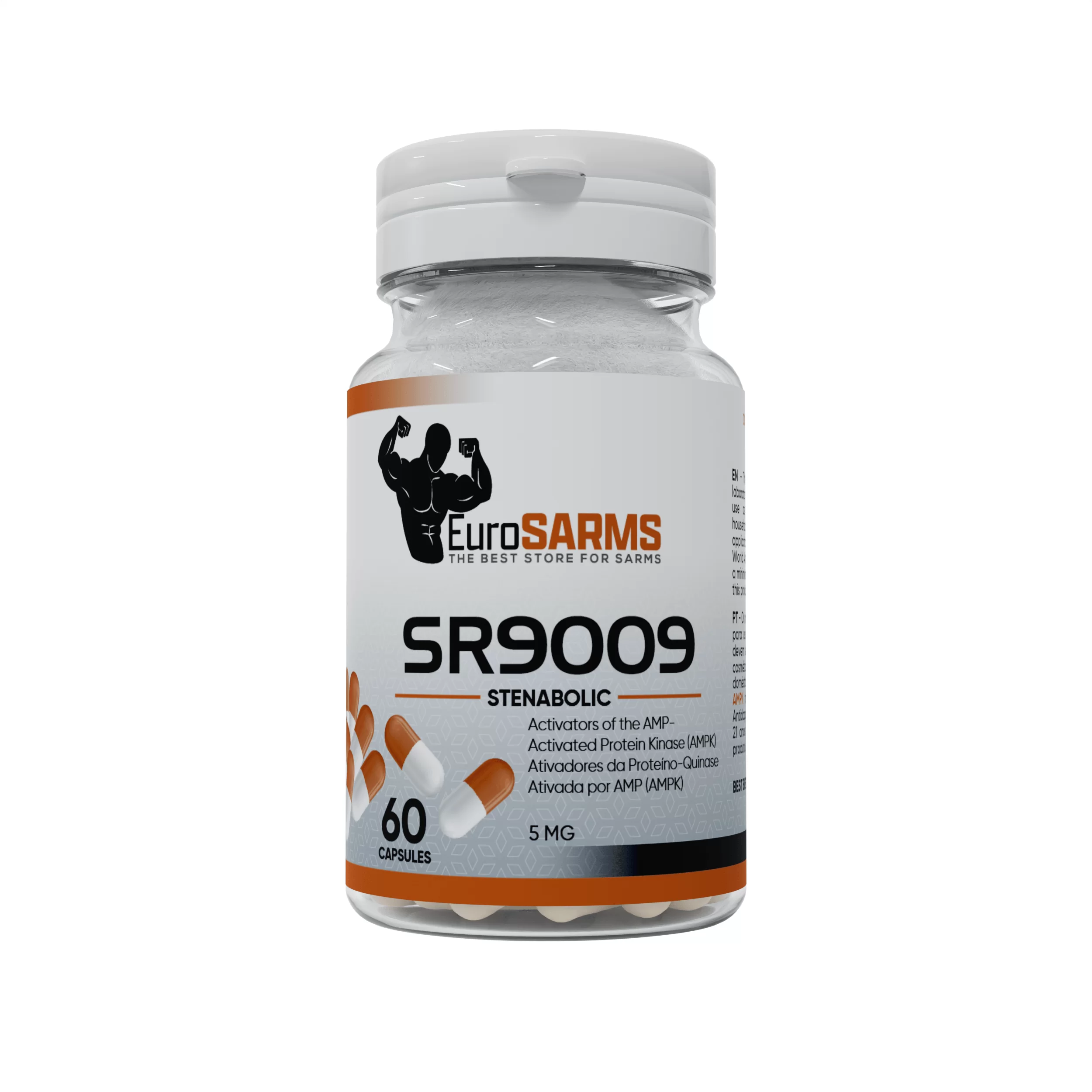
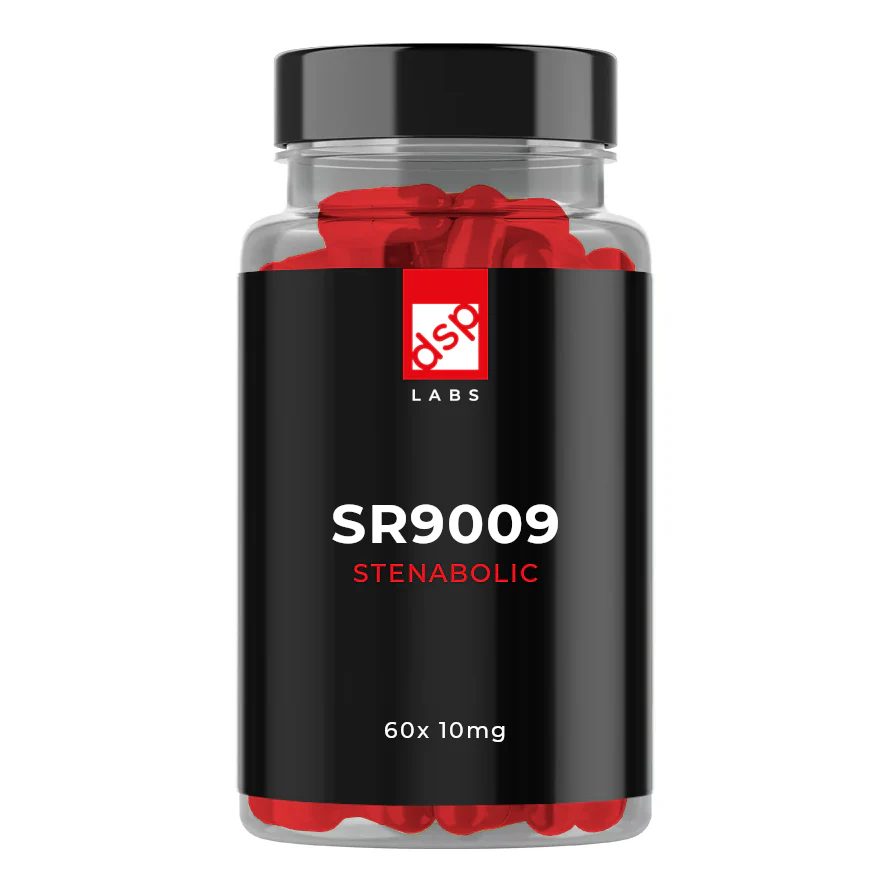
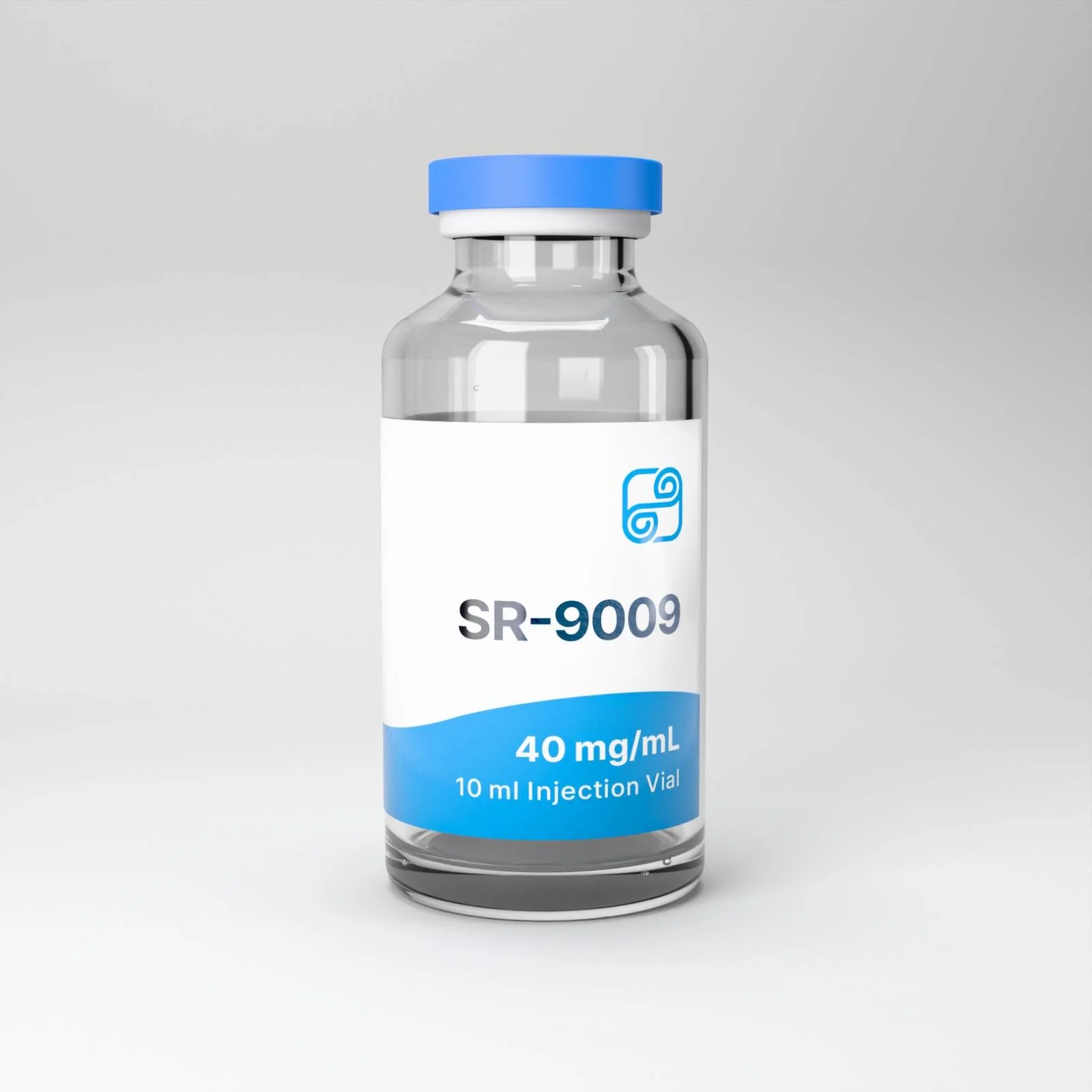
SR 9009 (Stenabolic) is a cutting-edge Rev-Erb agonist designed to enhance endurance, support fat metabolism, and boost mitochondrial activity. Unlike stimulants, it works at the genetic level—modulating circadian rhythm and metabolic pathways. Consequently, users report improved stamina and energy efficiency. Ideal for research purposes, SR 9009 is non-hormonal and research-grade. Moreover, it is lab-tested for purity and performance
SR 9009 (Stenabolic) — Advanced Rev‑Erb Agonist for Metabolic & Endurance Support
Introduction
SR 9009, also known as Stenabolic, is a next‑generation Rev‑Erb agonist designed to support metabolic function, mitochondrial efficiency, and endurance performance. Unlike typical stimulants or hormone modulators, SR 9009 works electively at the genetic and cellular level to influence energy pathways. By targeting the Rev‑Erbα and Rev‑Erbβ receptors, helps regulate circadian rhythm, lipid metabolism, and mitochondrial biogenesis. Consequently, users often experience improved stamina, better fat oxidation, and more efficient energy utilization.
Even though much of the research remains in preclinical stages, the mechanism and observed effects make SR 9009 an exciting tool in the research field. This description will examine its mechanism, benefits, usage guidelines, safety considerations, formulation options, and optimized u elements to help your product page rank and convert.
Mechanism of Action
SR 9009 acts as a synthetic agonist to Rev‑Erbα and Rev‑Erbβ receptors. When bound, it modulates the transcription of clock genes, metabolic genes, and energy pathways. Specifically:
-
It activates (in the active voice) Rev‑Erb receptors, influencing circadian clock genes and downstream pathways.
-
As a result, mitochondrial biogenesis in tissues—especially in skeletal muscle—can be upregulated.
-
In addition, genes involved in fatty acid oxidation, glucose uptake, and lipid metabolism are shifted toward catabolic processes.
-
Because of this cascade, energy expenditure may rise even during rest, and the body can better use stored lipids for fuel.
Thus, SR 9009 does not directly bind androgen receptors or influence testosterone; instead, it works via gene regulation. This unique action distinguishes it from hormone‑based or stimulant compounds.
Benefits & Effects
(Note: many of these documented benefits come from animal and in vitro studies; human data remain limited. Always include disclaimers.)
Endurance & Aerobic Performance
One of the most compelling benefits is enhanced endurance. In rodent models, subjects administered SR 9009 ran longer and at higher intensities than controls. This effect likely comes from improved mitochondrial function and oxygen utilization. Therefore, SR 9009 supports greater stamina and sustained energy output.
Fat Loss & Metabolic Shift
SR 9009 helps shift the metabolic balance toward fat oxidation. By upregulating genes tied to lipid breakdown and downregulating lipogenesis, it encourages the body to burn stored fat more efficiently. Meanwhile, basal metabolic rate can increase, meaning more calories are burned passively over time.
Glucose Regulation & Insulin Sensitivity
In preclinical tests, SR 9009 improved glucose uptake in tissues and reduced insulin resistance. Thus, it holds potential to moderate blood sugar and support metabolic health, though more human studies are needed to confirm.
Circadian & Sleep Modulation
Since Rev‑Erb receptors play a central role in the circadian clock, SR 9009 can influence biological rhythms. Users may experience more consistent energy cycles, regulated sleep patterns, and improved internal timing of metabolic processes.
Anti‑Inflammatory & Recovery Support
Some research suggests SR 9009 can suppress proinflammatory cytokines like IL‑6, thereby aiding recovery and tissue health. Additionally, improved cardiovascular resilience and oxidative stress defense have been observed in models, though human validation is pending.
Usage & Dosing Guidelines (Research Context Only)
Important Disclaimer
SR 9009 is currently distributed for research / laboratory use only. It is not approved for human consumption. Always include a clear disclaimer on your product page.
Suggested Dosing Protocols
Based on user reports and preclinical extrapolation:
-
A typical dose range is 10–20 mg per day (or equivalent in liquid drops).
-
Many users split the dose across morning, midday, and evening to maintain steady receptor activation.
-
Because SR 9009 is nonhormonal, traditional “off‑cycle” periods are less strictly defined. However, most protocols recommend 4–8 week cycles followed by a break of similar duration.
-
Some researchers or advanced users adopt micro‑dosing schemes to minimize metabolic stress while maintaining effect.
Administration & Absorption
-
Liquid or sublingual forms are favored for faster uptake; holding drops under the tongue for 20–30 seconds may help absorption.
-
Capsules or powder forms offer convenience and ease of handling, though absorption may be slower.
-
Dividing total daily dose helps maintain more stable plasma levels and receptor engagement.
Duration & Supportive Measures
-
Use of supportive supplements (e.g. antioxidants, liver support) is common in more aggressive protocols.
-
Even though suppression of testosterone is unlikely, overall recovery practices (nutrition, rest, monitoring) remain essential.
-
Monitor biomarkers, metabolic response, and any adverse signals throughout usage.
Safety, Risks & Limitations
Because human trials are scarce, the safety profile is speculative. Nonetheless, several precautions and known limitations should be communicated clearly:
-
Preclinical evidence only: All benefits and risks are currently drawn from animal or in vitro studies.
-
Unknown long-term outcomes: Extended use in humans could pose unforeseen risks.
-
Off‑target genetic influence: The modulation of nuclear receptor pathways could inadvertently affect non‑intended genes.
-
Potential metabolic burden: High doses or stacking may increase stress on liver or organs.
-
Pregnant, lactating individuals & minors: Use is contraindicated or unknown—these populations should avoid exposure.
-
Regulatory status: Depending on jurisdiction, SR 9009 may be controlled, restricted, or banned. Always verify local regulations.
-
Drug interactions: There may be interactions with medications, especially those impacting glucose, lipids, or hormonal balance.
Include a robust disclaimer such as:
“This product is intended for research purposes only and not for human or veterinary use. All information is for educational purposes and must not be taken as medical advice.”
Formulation, Quality & Differentiation
How you present your formulation will influence trust, conversion, and SEO ranking. Key elements to highlight:
Purity & Quality Assurance
-
Use ≥ 98 % purity (HPLC) standards.
-
Provide Certificate of Analysis (COA) for each batch.
-
Emphasize third‑party testing and quality control measures such as stability testing, heavy metal screening, and purity verification.
Delivery Forms
Offer multiple formats to suit different user preferences:
-
Powder: ideal for custom compounding and flexibility.
-
Liquid / Sublingual: rapid absorption, convenient dosage control.
-
Capsule / Tablet: user‑friendly, consistent dosing, better portability.
Make clear that your version is engineered for stability, low variance, and reliable shelf life.
Brand Positioning & Differentiators
-
Emphasize your product’s unique selling points, such as ultra-high purity, strict QC, or specialized formulation.
-
Compare to generic or lower-quality options with clear benefit statements (e.g. “Our SR 9009 is COA-verified for < 0.2 % impurity, whereas many alternatives lack verification”).
-
Be transparent about limitations, research status, and proper use to build credibility and trust.
Summary & Call to Action
SR 9009 (Stenabolic) stands apart as a nonhormonal Rev‑Erb agonist designed to support metabolic efficiency, mitochondrial function, and endurance capacity. While research is still emerging, the mechanistic rationale and preclinical findings render it a compelling candidate for further exploration.
| Boxes And Prices | Lgd 4033 Capsule · ₹ 3,900/Box ; Am Size Up Tablet · ₹ 4,550/Piece ; Bpc 157 Capsule · ₹ 8,500/Box ; Ronnie Coleman L Carnitine |
|---|
Related products

Oxycontin
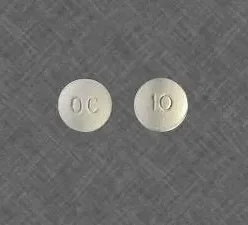
Oxycontin
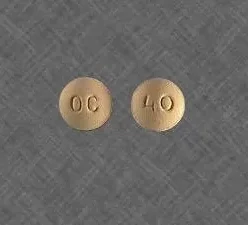
Oxycontin

Oxycontin

Oxycontin

Oxycontin
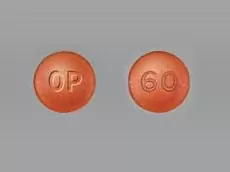
Oxycontin
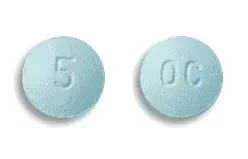
Oxycontin